Create a lumen structure using bioprinting
This project was conducted after my master’s thesis, and its goal was to use bioprinting technology to create hydrogel lumen structures on a chip. The method is illustrated in the figure below. Before fabricating the chip, it is necessary to first create the PDMS surroundings, which I did using a 3D-printed mold. I will introduce this technology in another article.
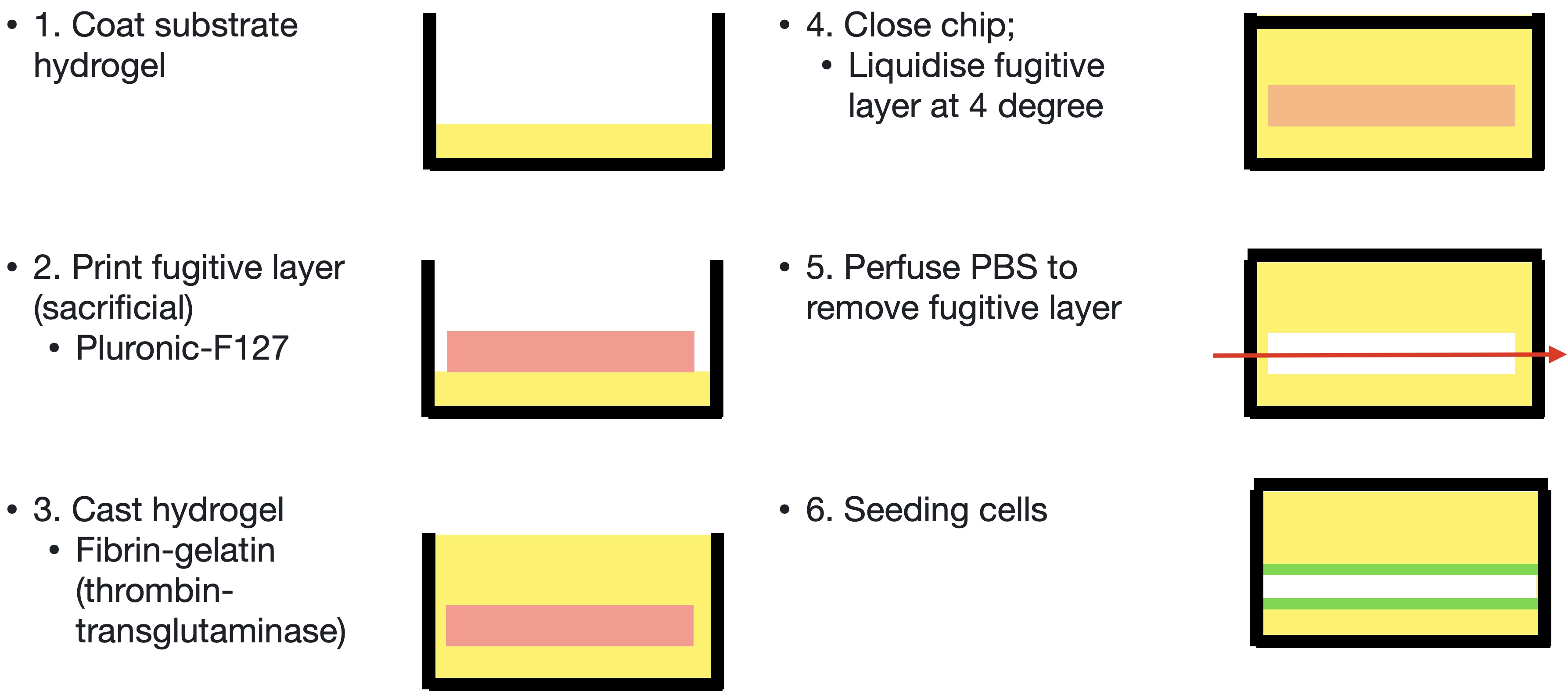
Figure 1: Process of creating lumen structures using bioprinting.
According to the figure above, the first step is to coat a layer of hydrogel at the bottom and allow it to dry. Once it is dry, you can use a 3D printer to print your lumen structure on top of this hydrogel layer. The instrument used is a bioprinter, and the printing material is Pluronic F127. The Pluronic F127 used here is at a high concentration, which requires dissolving it in water using a centrifuge. I don’t recall the exact concentration, but it was around 50% or higher. At this high concentration, Pluronic F127 behaves like a gel.
After printing, the same hydrogel as the bottom layer is used to cast the upper part of the channel, essentially filling the PDMS surroundings with hydrogel. During casting, the hydrogel is still in liquid form, and it is then polymerized under specific conditions, such as at 37°C or using light. Once polymerized, you have an almost complete lumen structure within the microfluidic chip.
The next step is to remove the Pluronic F127 to reveal the lumen. To do this, the chip is placed in a refrigerator at 4°C. At this temperature, Pluronic F127 transitions from a gel to a liquid. You can then perfuse a liquid, such as water, through the lumen to flush out the Pluronic F127. This completes the creation of a usable lumen structure in hydrogel.
Finally, cells are seeded by introducing cell-containing culture medium into the lumen. This process is repeated for both sides. Afterward, you obtain a hydrogel lumen structure with cell-coated lumen walls, ready for further studies. The figure below shows the lumen after successfully removing the Pluronic F127.
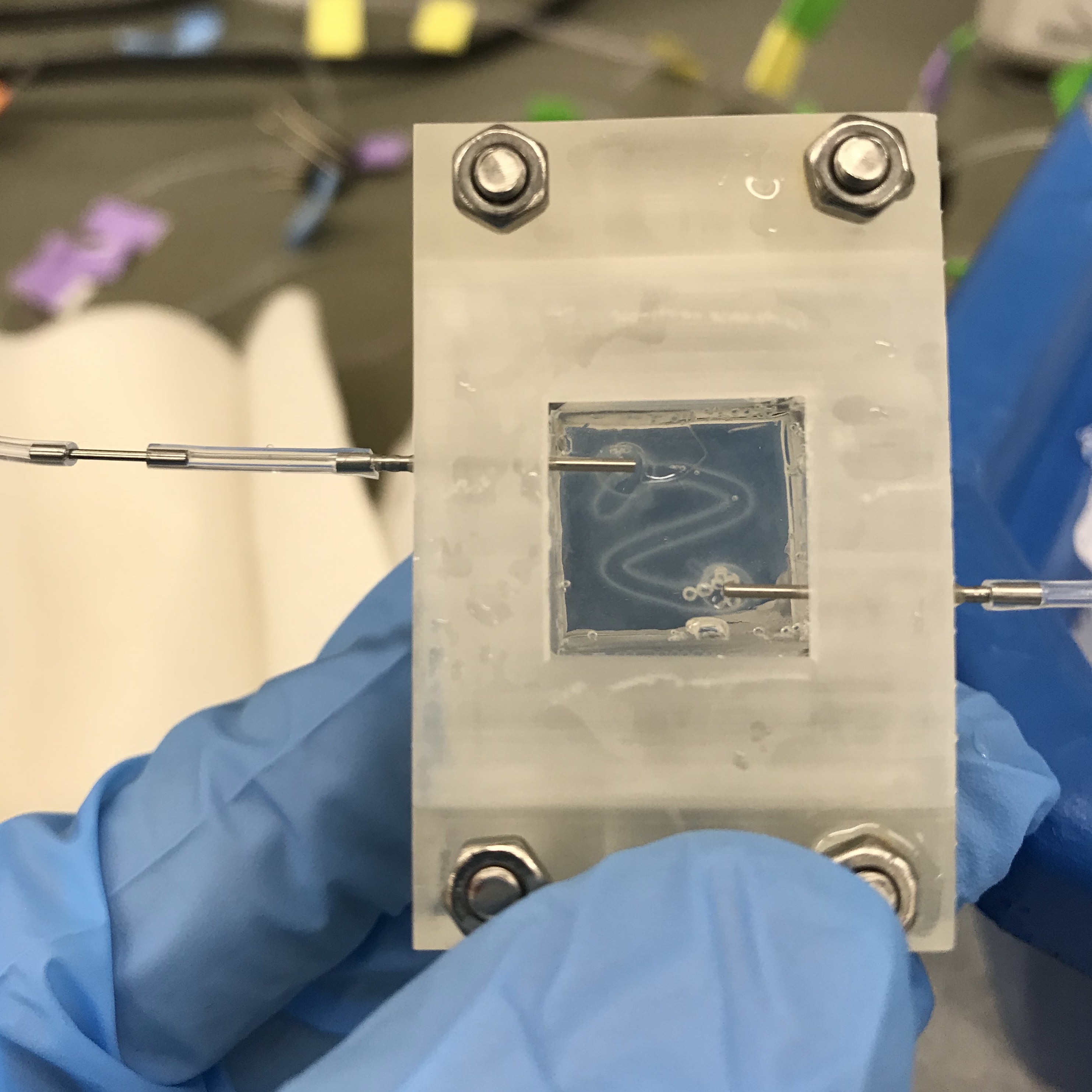
Figure 2: Lumen after flushing out Pluronic F127.
It is worth mentioning that the PDMS surroundings are clamped using a 3D-printed plastic holder. This holder, along with screws, provides a clamping force that seals the PDMS, preventing air from entering the surroundings (unless air permeates through the PDMS).
This sealing is important because the hydrogel lumen structure in the chip requires continuous perfusion for 24 hours. Without proper sealing, the culture medium from the external pump may not flow into the hydrogel lumen due to its relatively high resistance. Once sealed, the lumen forms a closed fluidic circuit with the external tubing, similar to a closed circuit in an electrical system, allowing fluid to flow from the external source into the lumen and then out.